

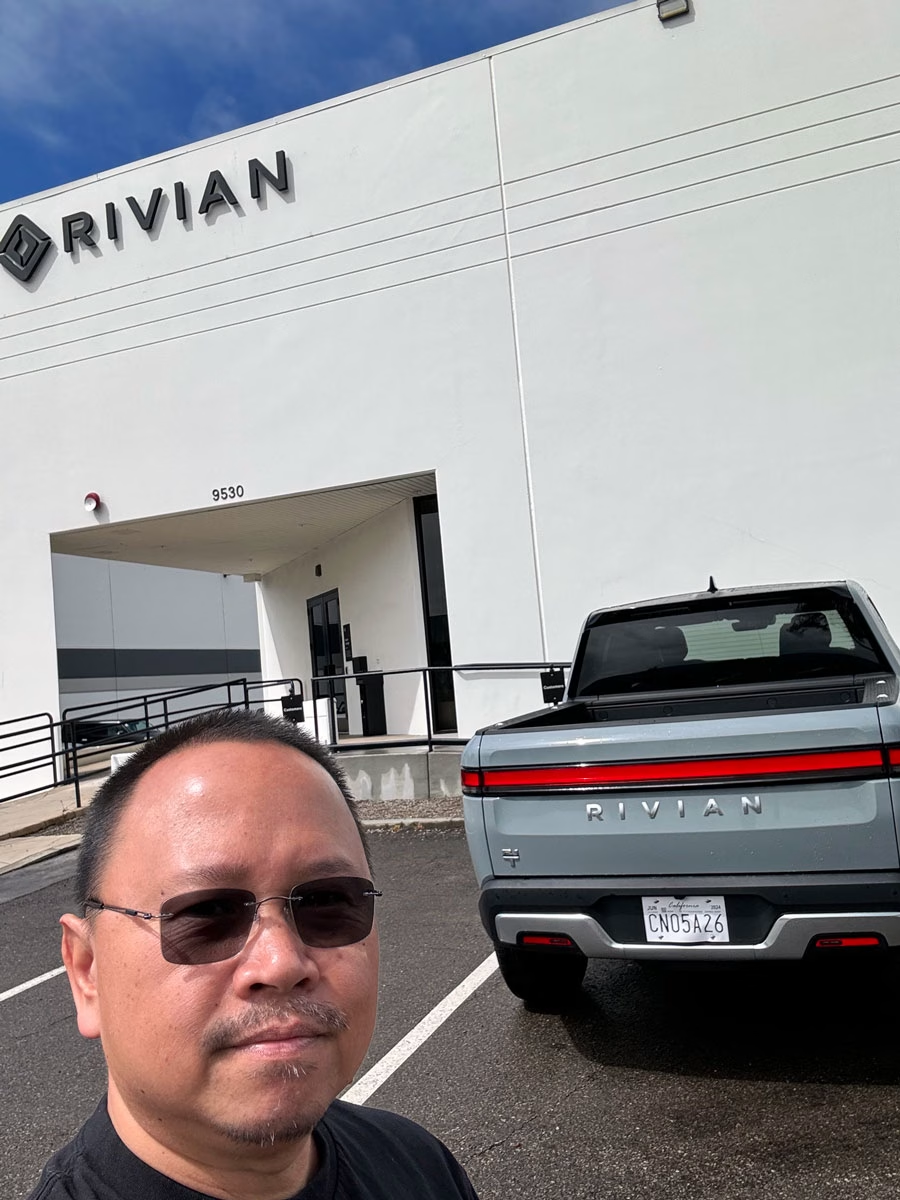
Today, we are taking the Rivian R1T down to San Diego. Abby wanted to take the Model X, but I insisted on bringing the truck to really put the San Diego charging infrastructure to the test.
We started the journey with 84% state of charge (approx. 306 miles of range). This trip was a mix of business and pleasure, as we were attending a conference with our partners, Myrna and Eric.
The Drive: Efficiency and Weather
The drive down was hit with some heavy spring rain—real rain, not just the usual SoCal sprinkle.
- Trip Stats: We covered 124.4 miles to get to San Diego.
- Efficiency: We averaged 2.41 miles per kilowatt-hour and consumed 52 kWh total for the leg.
- Ride Feel: Despite the wind and rain, the R1T felt planted. I’m still learning the “throttle mapping” of the truck—it requires a bit more physical pressure than the 1:1 ratio feel of a Tesla, likely because we’re moving over 7,000 lbs of hardware.
Hotel Charging: The “Out of Order” Destination
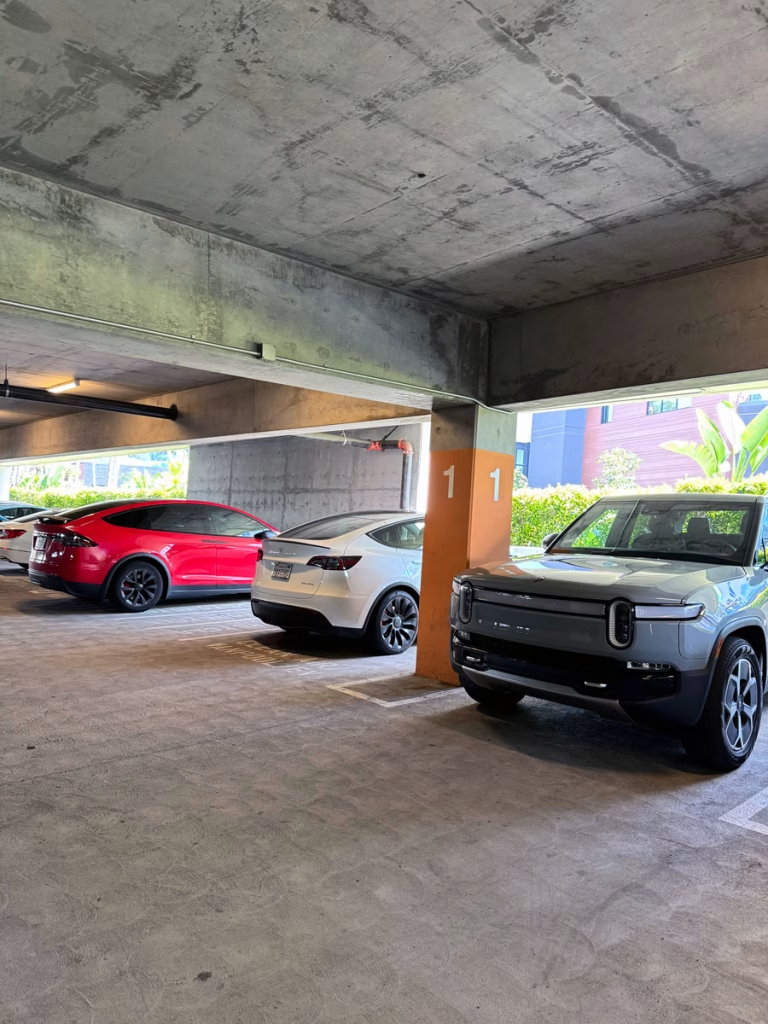
We stayed at the Town and Country Resort. While the lobby was beautifully renovated, the EV infrastructure was a different story. I spotted several Tesla Destination Chargers in the parking structure, but every single one of them was marked “Out of Order”.
This is a recurring theme with non-Tesla networks. Even when stalls are physically there, reliability is a gamble.
Technical Deep Dive: EVgo vs. Tesla Supercharging
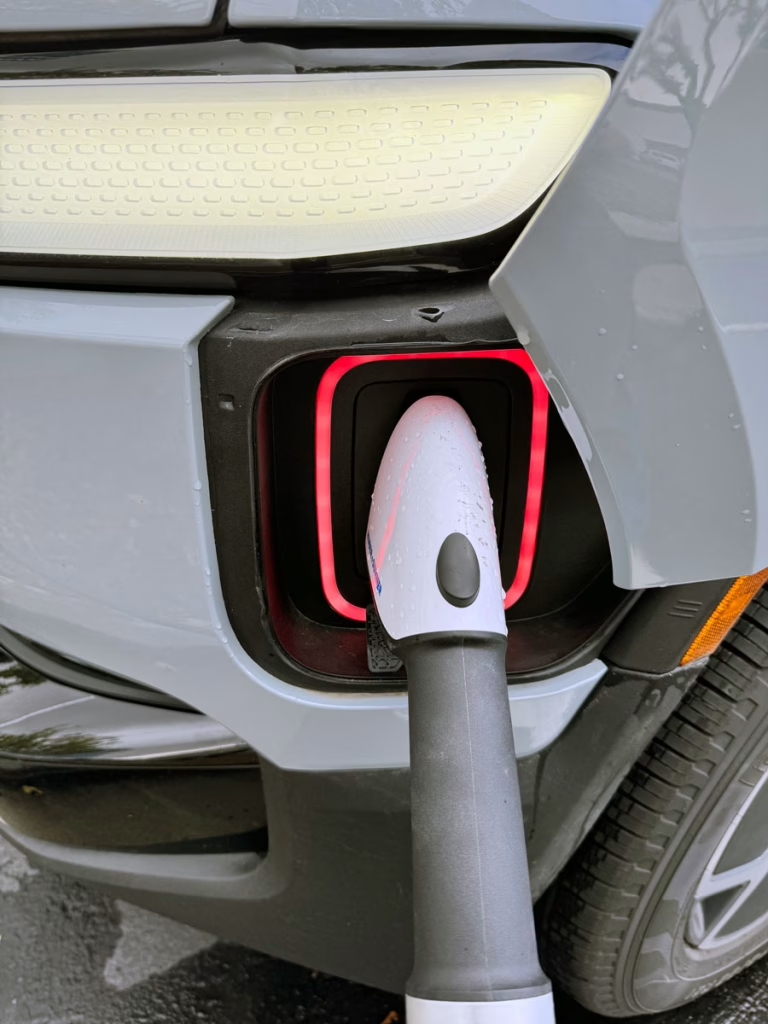
Since I don’t have my NACS adapter yet, I had to rely on the EVgo network. I pay $6.99/month for an EVgo subscription to get 20% off their rates, which is almost mandatory in California where prices are sky-high.
- Pricing Pain: Even with the discount, I was paying 58 cents per kWh. Tesla superchargers are usually around 45 cents. It’s brutal out here for non-Tesla owners.
- Session 1 (San Diego): Arrived at 31% SoC. I peaked at 176 kW. It took 34 minutes to hit 82%, costing $32.48 for 73 kWh.
- Session 2 (Return Trip): Charged at a 100 kW station because the 350 kW units were either broken or occupied by slower-charging EVs like a Nissan ARIYA.
- User Experience: I had a “close call” backing out of a tight EVgo stall that felt poorly positioned compared to the spacious Tesla layouts.
Gear Guard & Remote Monitoring
Overnight, the Rivian’s Gear Guard (their version of Sentry Mode) recorded 13 events but only used about 2 miles of range.
- Technical Limitation: Unlike Tesla, you cannot view the camera feeds remotely from the app yet; you have to be in the vehicle to playback the footage. However, the battery drain is significantly lower than Tesla’s Sentry Mode.
| Metric | Details |
| Total Distance | 369 Miles |
| Total Energy Used | 156 kWh |
| Efficiency | 421 Wh/mi (2.37 mi/kWh) |
| Total Charging Cost | $75.81 (2 Stops) |
| Avg. Charging Time | 19 Minutes per location |
Final Thoughts: The Missing Link
The R1T is a dream to drive, and my friends Edgar and Zema were seriously impressed by the air suspension and “high-up” view during a quick test drive. But the public charging experience is still a major hurdle. I am counting down the days until my Tesla adapter arrives so I can stop paying 58 cents/kWh for broken chargers!
Watch the full San Diego trip highlights here
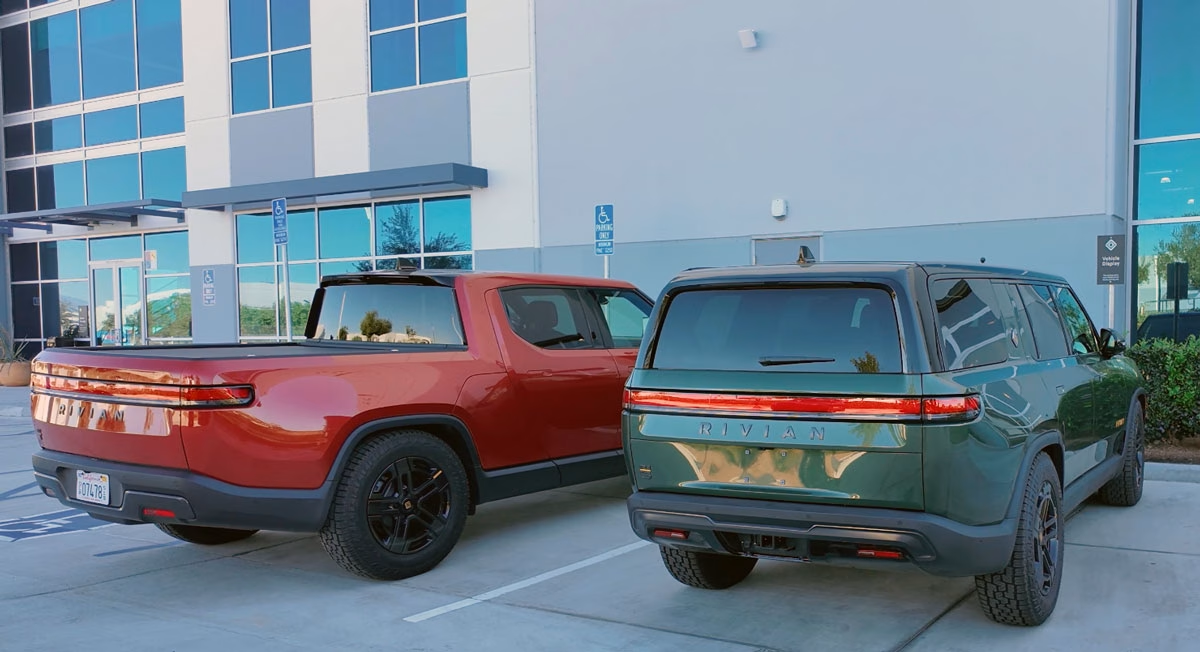
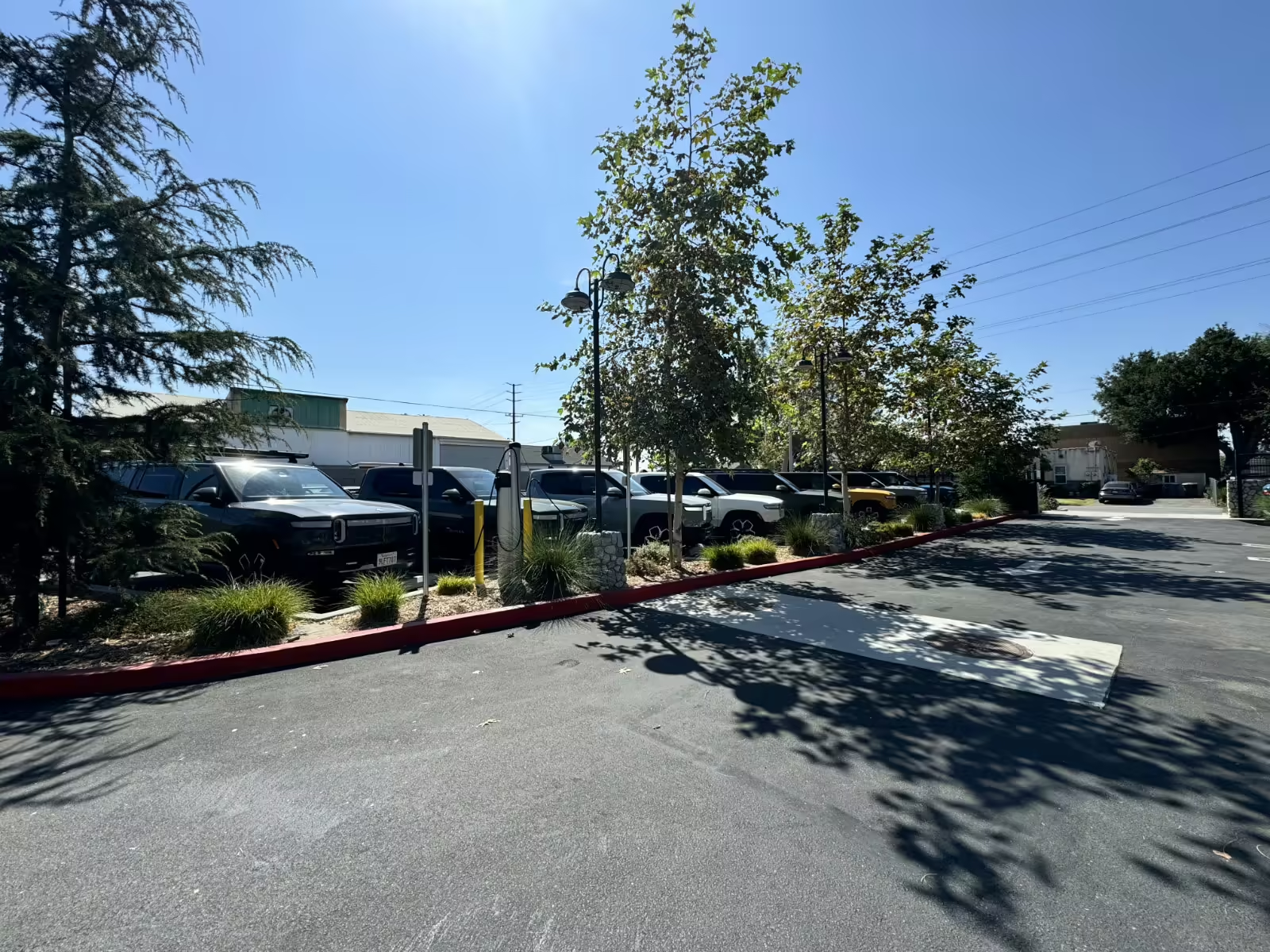

[…] we’re taking the Rivian R1T on a special mission to Joshua Tree. Rivian just opened their first-ever Charging Outpost that is […]