

Model Y Juniper Efficiency: The Truth After 10,000 Miles
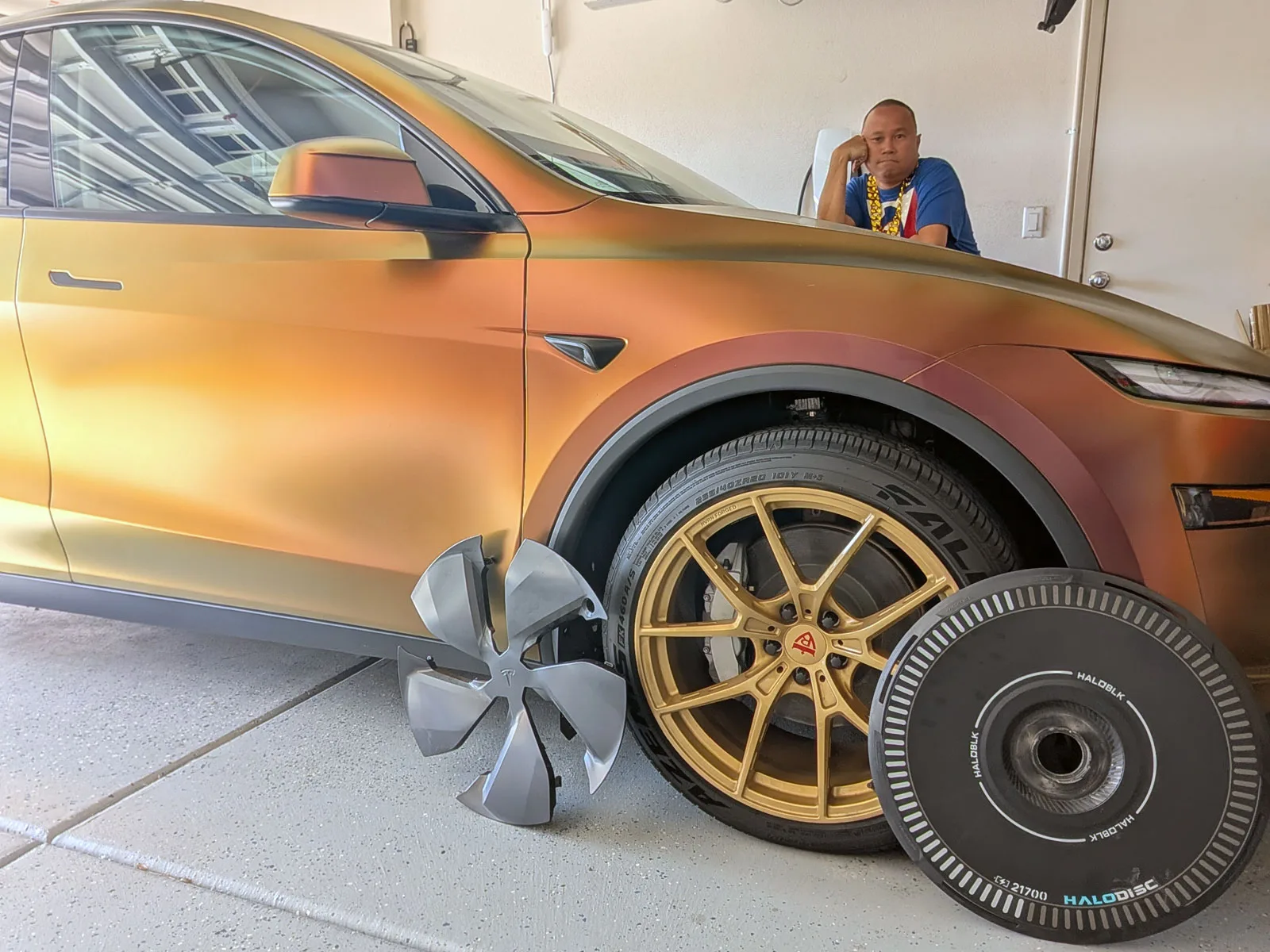
We are celebrating a major milestone with my 2026 Model Y Juniper Premium All-Wheel Drive. I’ve officially crossed the 10,000-mile mark, and I’ve been logging the data to see if this “Juniper” refresh actually lives up to the hype.
Before we dive into the numbers, a quick disclaimer: this isn’t “scientific.” My mood, the California weather, and traffic conditions change every day. However, these are real-world numbers from a real owner driving like a normal person—not an EPA test track. If you want to know the real Model Y Juniper efficiency you can expect in daily life, you’re in the right place.
The Daily Workhorse: My Driving Profile
The Model Y is my daily commuter. I drive this car to and from work about 98% of the time. For this 10k-mile test, I decided to drive it exactly how I normally would. I’m not hypermiling or turning off the AC just to get better numbers. I want to show you what you’ll actually get when you’re stuck in traffic or cruising the highway.
One interesting data point is my use of Full Self-Driving (FSD). Since version 14.2, I’ve used FSD about 70% of the time. I see people online claiming 100% FSD usage, and honestly, I don’t know how they do it. Between my specific highway routes and city streets, 100% just isn’t feasible for me. But 70% is still a huge chunk of those 10,000 miles handled by the tech.
Stock vs. Aftermarket: The Efficiency Tax
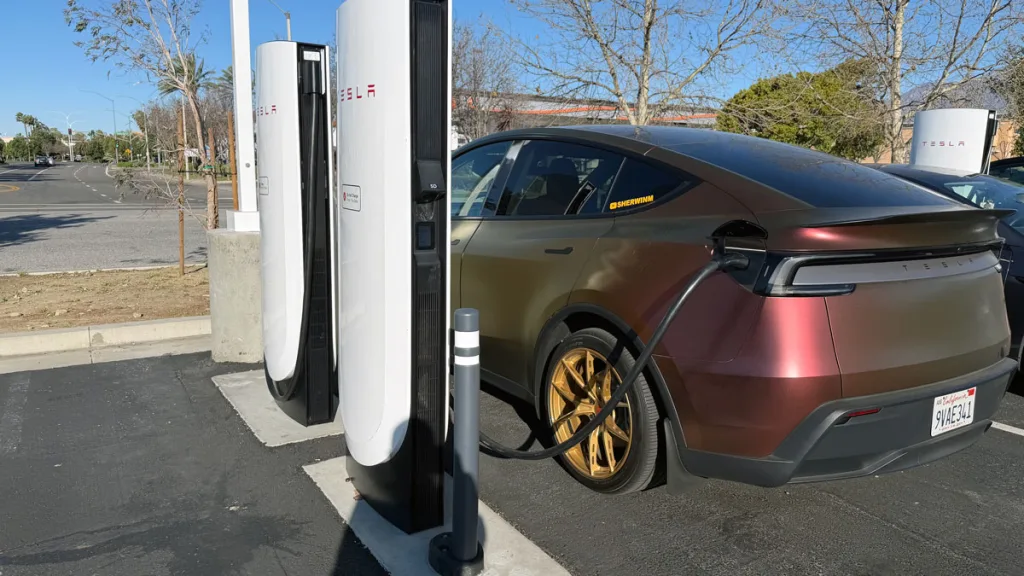
The biggest question I wanted to answer was how much my wheel choice affects my Model Y Juniper efficiency. I started with the OEM 19-inch Cross Flow wheels and eventually added the Halo Disc covers. Later, I switched to 20-inch RVRN monolock forged wheels with Falcon tires.
The results were eye-opening. Comparing the OEM 19s with Halo Discs against the 20-inch RVRN wheels showed a 17.31% efficiency difference in favor of the stock setup.
- OEM 19″ + Halo Discs: ~213.89 Wh/mi
- RVRN 20″ + Falcon Tires: ~250.92 Wh/mi
Losing over 17% efficiency is a big hit, but for me? It’s worth it. I love the look of the RVRN MB373 wheels, and in an area where every other car is a white Model Y with mudflaps, I need my ride to stand out. However, if you are planning long road trips where every mile of range counts, you might want to stick with the stock 19s and a good set of covers.
Tech Specs: Wheel & Tire Comparison
| Feature | OEM 19″ Cross Flow | RVRN MB373 Forged |
|---|---|---|
| Wheel Size | 19 x 9.5″ | 20 x 9.5″ |
| Weight (per wheel) | 29.4 lbs (13.3 kg) | ~21 lbs (9.5 kg) |
| Tire Size | 255/45R19 | 255/40R20 |
| Average Efficiency | 213.89 Wh/mi | 250.92 Wh/mi |
| Efficiency Impact | Baseline | -17.31% |
Highs, Lows, and Real-World Savings
Over these 10,000 miles, I’ve seen some wild swings in data. My lowest average energy was a staggering 191.6 Wh/mi back in October. You might think that was a perfect driving day, but it was actually a day of horrible traffic. The slower you go in an EV, the better your efficiency looks—even if your mood is in the gutter!
On the flip side, my highest average was 334.6 Wh/mi, which usually happens during my trips to Vegas. Between the elevation changes and the desert wind, your efficiency will always take a dive on that route.
But here is the “truth” that most people don’t believe: EVs save money. I’ve tracked my expenses since my V6 Acura TL days, through my Priuses, and now through multiple Teslas.
Why the Model Y Juniper is the Most Practical Tesla
I’ve owned three Model Ys, two Model Xs, and a Model 3. If you ask me which one is the best for daily use, it’s the Model Y every single time.
- Practicality: It’s the perfect size for errands and commuting.
- Accessibility: As someone who deals with sciatica, the Model Y is much easier to get in and out of compared to the Model 3.
- Reliability: Unlike my Model X experiences (which resulted in two buybacks), the Model Y has been a solid, reliable workhorse.
How to Fight Depreciation
We all know EVs suffer from heavy depreciation. My philosophy is simple: Drive the car. The best way to get your money’s worth is to use the vehicle as much as possible. Don’t worry about the resale value—enjoy the tech, save the money on gas, and get those miles in. By the time I’m done with a car, I’ve usually extracted every bit of value out of it through sheer utility.
Conclusion
The first 10,000 miles with the Juniper have been fantastic. While the efficiency hit from my aftermarket wheels is real, the car remains the most practical and cost-effective daily driver I’ve ever owned. I’ll keep tracking the data and sharing the “non-scientific” truth with you all.
Want to see the full data breakdown and my reaction to your comments? Watch the full 10k mile review below.

Leave a Reply