

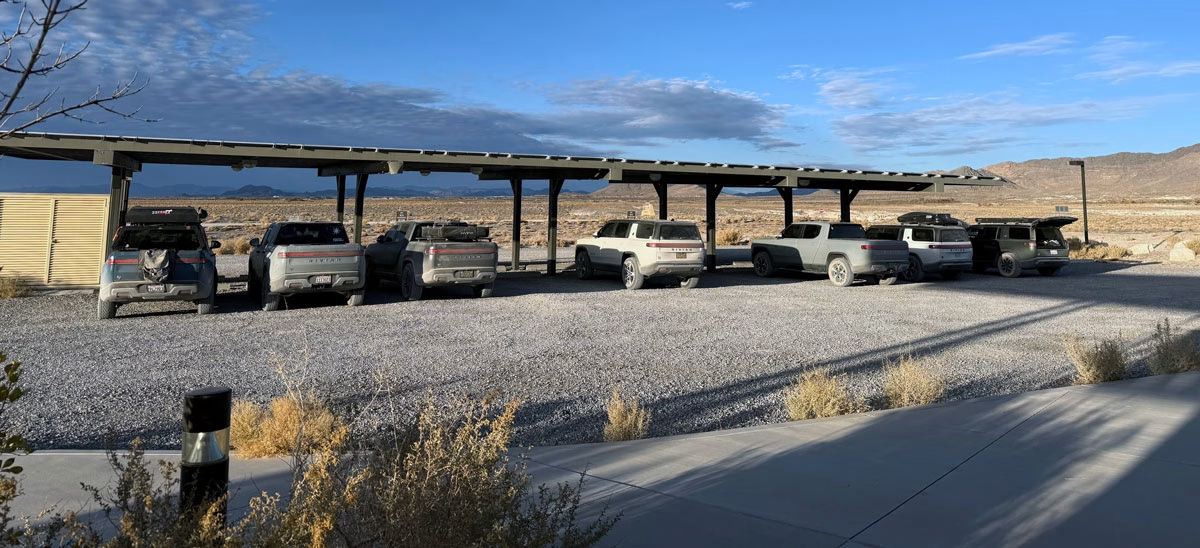
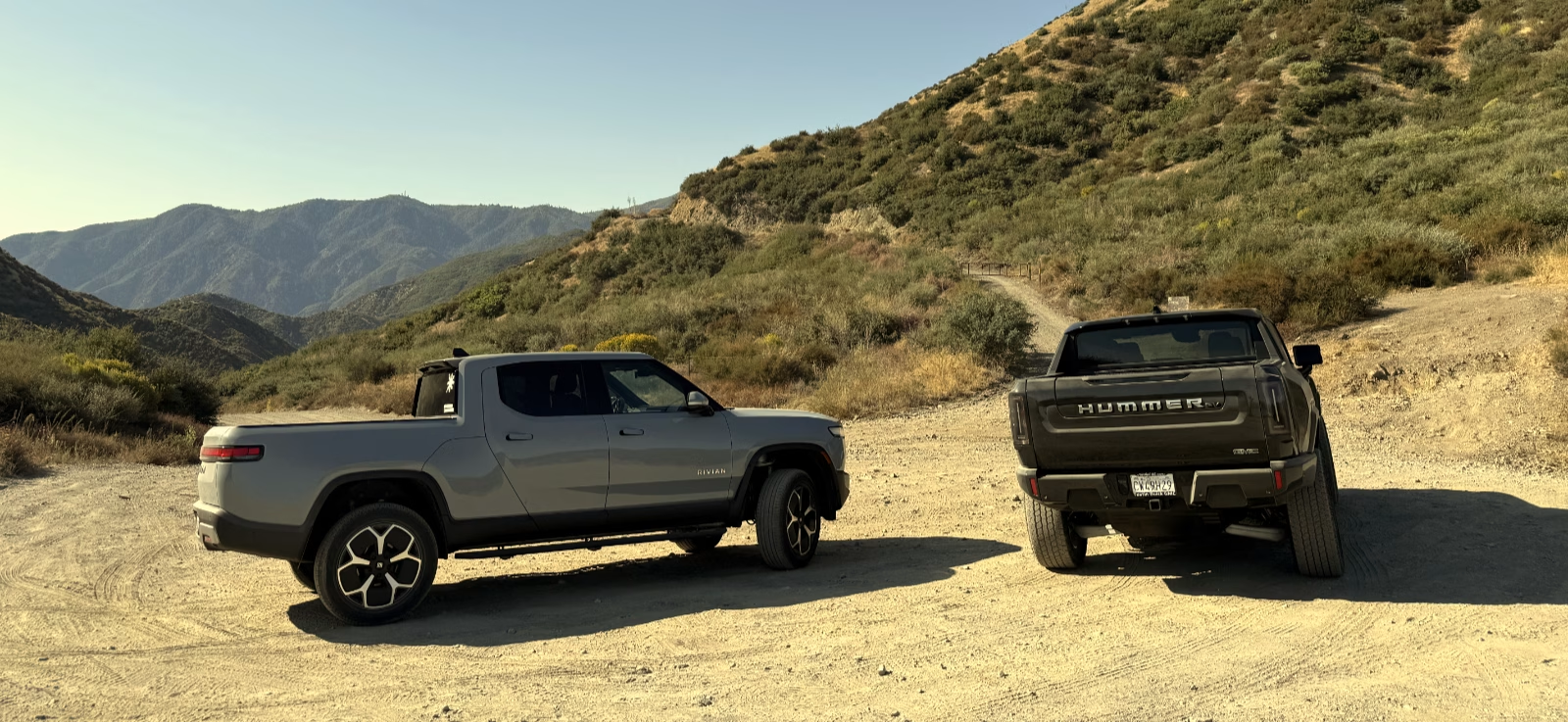
Today, we are embarking on a massive two-day expedition with the San Gabriel Valley Rivian Club. We’ve got a fleet of about nine Rivians—a mix of R1Ts and R1Ss—and we are headed deep into Death Valley to see what these electric trucks can do in the dirt, sand, and cold.
This trip is the ultimate technical test for my R1T. We’re dealing with sub-freezing temperatures, high-elevation climbs, and technical soft-sand driving. Let’s break down the gear, the charging logistics, and the lessons learned from the trail.
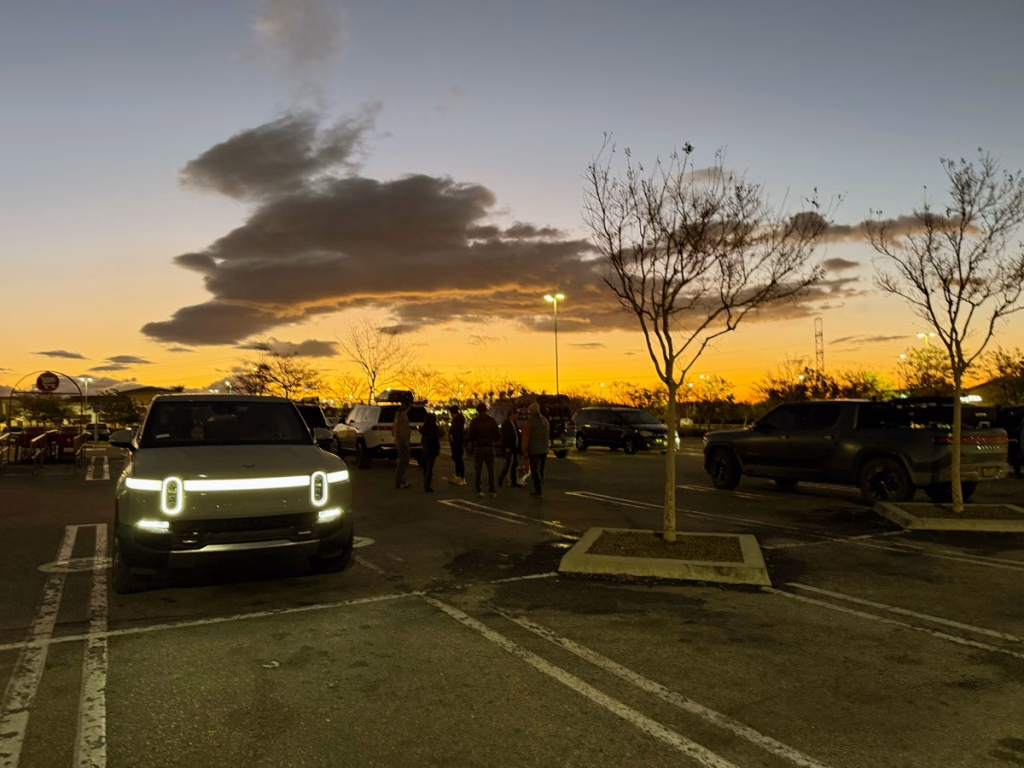
Cold Weather Charging and Battery Prep
The trip started with a chilly 39°F morning. I noticed some interesting technical behavior with the Rivian’s thermal management:
- Preconditioning: My battery was at 56°F and started preconditioning about 30 miles out from the Barstow RAN station. However, it only reached 69°F by arrival—well short of the optimal 86°F for fast charging.
- Charging Speeds: Because the battery wasn’t at temp, my initial speed was throttled to 100 kW. Once it warmed up during the session, it ramped up to 149 kW.
- Dual Motor Logic: On “All-Purpose” mode at constant highway speeds, the dual-motor R1T actually switches off the rear motor to conserve energy.


Off-Roading: From Fire Roads to Soft Sand
Once we cleared Baker (where we hit an Electrify America station at a staggering 64 cents per kWh), the real adventure began on Highway 127.
1. Fire Roads and High Suspension
We started on graded Fire Roads. I manually increased the ride height to “High” to avoid the pebbles and rocks I could hear hitting my running boards. Technical Tip: When driving in a convoy, keep your distance to avoid rock kick-back and dust.
2. Soft Sand Mode
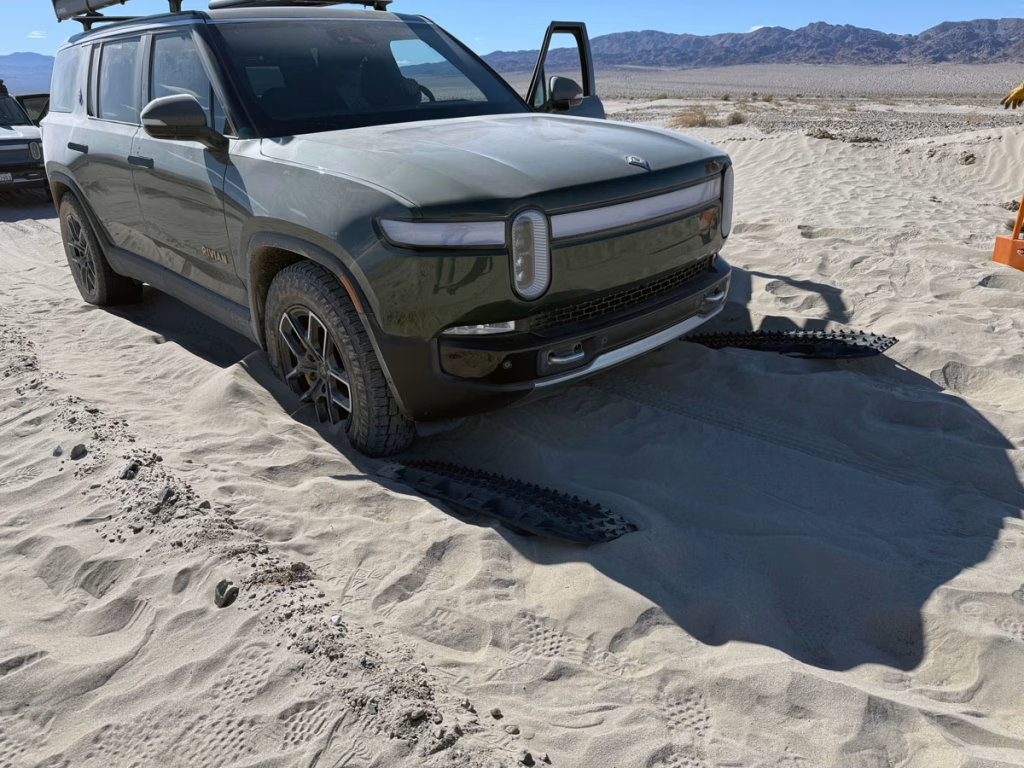
We eventually hit the sand dunes, which required a shift to Soft Sand Mode. This mode is like driving on snow or ice—the truck slips and slides, and you have to maintain throttle to avoid sinking.
- Recovery: One of our club members in an R1S got deep in the sand. We had to dig and use traction boards under the tires to get him out.
- Motor Temps: When technical off-roading, keep an eye on your motor temperatures. If they hit 290°F, the system will shut down to protect the hardware.
Ghost Towns and Badwater Basin
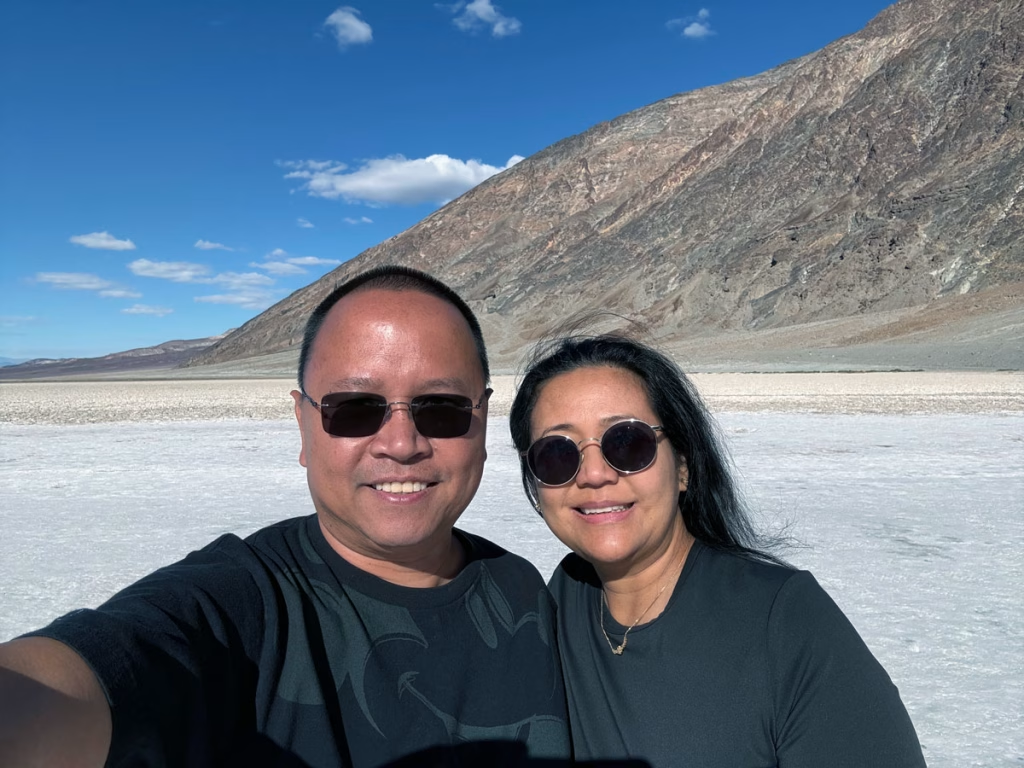
We explored the Rhyolite Ghost Town, where we saw the ruins of the Cook Bank building, and hit Badwater Basin, which sits at 282 feet below sea level. The Salt Flats are a forbidding landscape, and while the road tires handled it fine, you have to watch out for jagged salt formations and large rocks that can easily snag a bracket.
Overlanding Gear and “Camp Kitchen”
We spent the night in Beatty, Nevada, at an RV park. Since it was too cold and windy to fully “rough it,” we utilized the RV park’s 50-amp NEMA 14-50 outlets to charge the trucks back to 95% overnight.
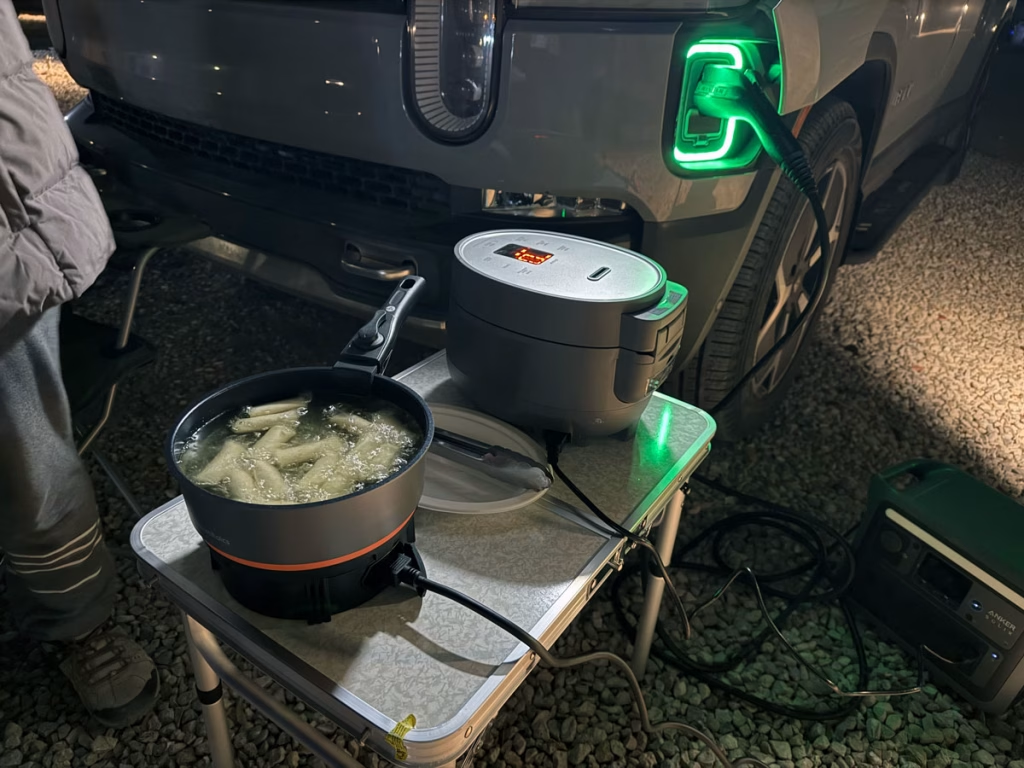
The Tech Stack
- Portable Power: I brought an Anker SOLIX C300 power station to run our electric cooking gear.
- Cooking: We used the Stoke Voltax electric cooking system to fry up some lumpia. We also had a dedicated rice cooker plugged in, making it a true Filipino-style camp feast!
- Connectivity: One member even brought a Starlink setup to ensure we had high-speed internet in the middle of the dunes.
Trip Specs: Death Valley Run
| Feature | Details |
| Fleet Size | 9 Rivians (R1T/R1S) |
| Max Elevation | 4,400 feet |
| Lowest Point | -282 feet (Badwater Basin) |
| Charging | RAN (Barstow), EA (Baker), NEMA 14-50 (Beatty RV Park) |
| Gear Used | Anker SOLIX, Stoke Voltaics, Running Boards |
Final Thoughts
This trip proved that EVs aren’t just for city commuting. We climbed 4,400 feet, slogged through sand, and endured freezing temps—all without a drop of gas. The Rivian community is incredible, and seeing all these dusty trucks at the Ash Meadows National Wildlife Refuge was a highlight.
Watch the full Death Valley expedition here


Leave a Reply