My Cybertruck just came back from its third Cybertruck service visit. Tesla’s handling of warranty repairs continues to impress. However, I still have lingering road trip concerns.
As someone who started owning EVs in 2019, I understand the reality of early adoption. I also went through two Model X buybacks. I received a text that my truck was ready after reporting a front motor disabled alert. I knew this visit would test Tesla’s improved service capabilities once again.
Cybertruck Service Issues: What Got Fixed
Tesla addressed three distinct problems during this Cybertruck service appointment. The main issue was a front motor disabled alert that appeared while driving. You definitely do not want to see this alert on the highway.
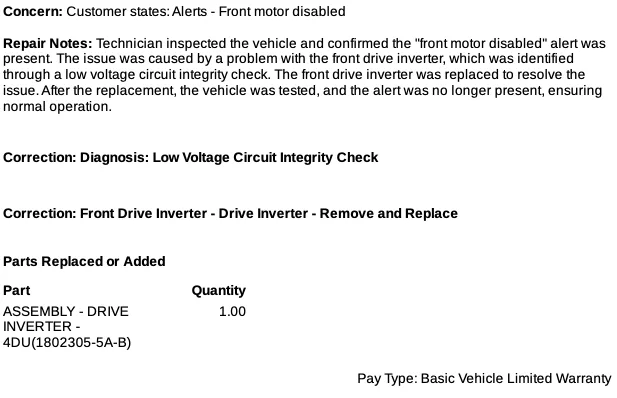
Here’s what the service team resolved:
- Front Drive Inverter Replacement: Low voltage circuit integrity check identified the faulty component
- Tonneau Cover Fix: Rails lubricated to prevent random opening (21% manually opened trigger found in logs)
- Water Management Channel: Additional tunnel slat installed per TSB to prevent vault flooding
- Service Duration: Two business days with Model X loaner provided
Tesla Cybertruck Service Experience vs Legacy Dealers
The diagnostic precision impressed me most. Tesla’s computer logs captured the tonneau cover opening randomly at exactly 21% – something I was concerned they wouldn’t replicate. This level of data logging makes troubleshooting significantly more effective than traditional dealership guesswork.
I asked about proactively replacing the rear inverter. There is a known recall for low VIN Foundation Series trucks. But, they only replace components showing actual faults. While frustrating from a prevention standpoint, I understand their position.
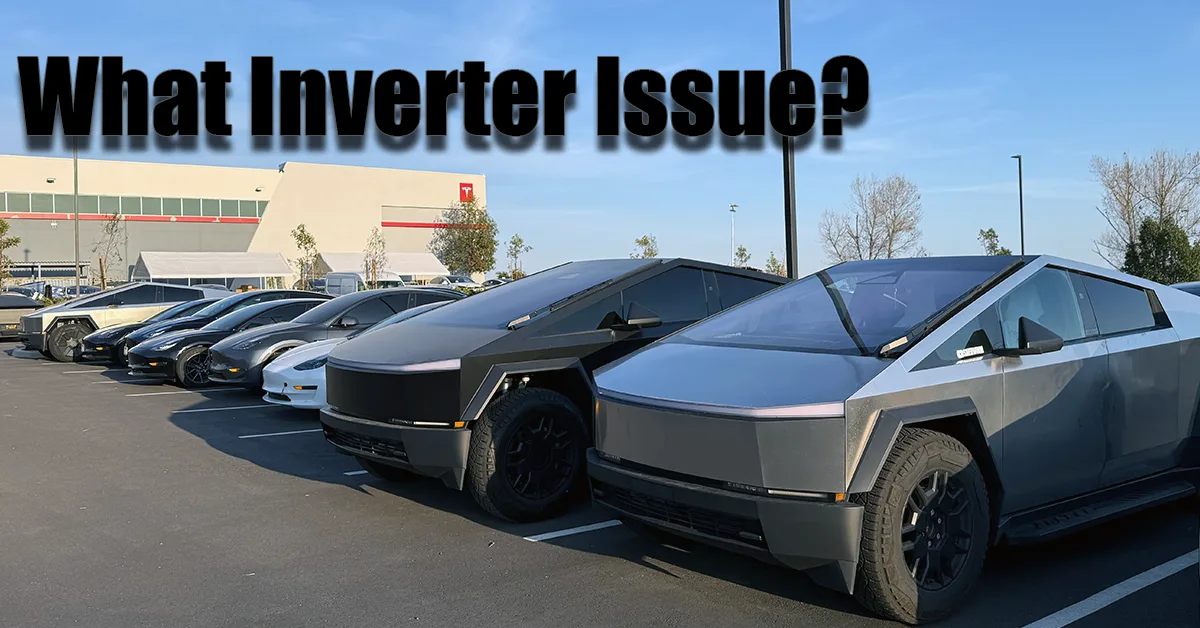
Here is when the inverter notification popped up.
Road Trip Reliability Concerns With Cybertruck Service
My biggest worry isn’t Tesla’s ability to fix issues – it’s timing and location. Having problems during road trips creates logistical nightmares even when warranty coverage is solid.
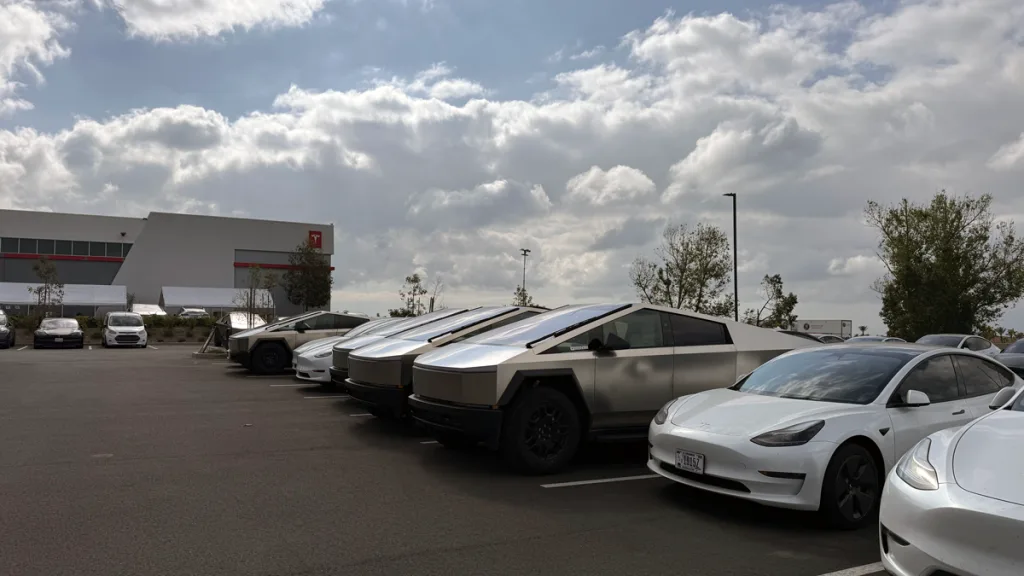
Consider this scenario: your truck breaks down in Vegas. It gets repaired at a local service center. Now you need to coordinate pickup while managing travel plans. Tesla may not provide transportation for customer vehicles between service centers due to liability concerns.
Time costs money, and unexpected service appointments during trips multiply that cost exponentially.
Why I Still Choose Tesla Despite Cybertruck Service Issues
After two Model X buybacks, you might wonder why I’d risk another first-generation Tesla product. Here’s my reasoning:
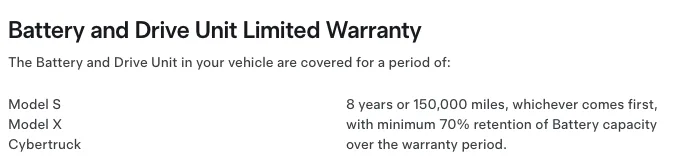
- Warranty Coverage: 8-year/150k mile battery, comprehensive drivetrain protection
- Service Improvement: Faster diagnosis and repair compared to my Model X experiences
- Documentation: Every service visit creates valuable warranty history
- Buyback Option: Worst case scenario, Tesla has honored buybacks (minus mileage charges)
Tesla operates as a tech company first, car manufacturer second. This creates reliability challenges but also enables rapid problem-solving through software integration and comprehensive diagnostic logging.
For comparison, I once owned a Prius and a Sienna at the same time. The key fob interference prevented either car from starting when both keys were in my pocket. Toyota couldn’t resolve this because they rely on third-party suppliers without integrated solutions.
Cybertruck Service Recommendations for Potential Buyers
If you’re considering Cybertruck ownership, understand what you’re signing up for. This isn’t a mature product – it’s bleeding-edge technology with corresponding growing pains.
Want maximum reliability? Get a Model 3 or Model Y instead. These platforms have years of refinement and significantly fewer service visits. Need absolute reliability over technology? Consider legacy automaker EVs, accepting their software limitations.
For me, the technology integration makes service hassles worthwhile. Over-the-air updates, comprehensive diagnostics, and vertically integrated solutions outweigh the inconvenience of occasional warranty work.
Ready to dive deeper into real-world EV ownership? Subscribe for unfiltered experiences from someone who’s navigated buybacks, service appointments, and everything between.