

After driving the Cybertruck for over a week, jumping back into the Rivian feels a little weird, but it’s time for some much-needed updates on the R1T fleet.
From official Tesla-made adapters finally arriving to navigating recall notices and 12V battery replacements, there is a lot happening in the world of Rivian. Plus, I’ve got the data comparing my daily commute in the R1T versus the Cybertruck.
The Long-Awaited Rivian NACS Adapter
I finally received the official Rivian NACS (Tesla) Adapter. If you’re a Rivian owner, these are being sent out based on your delivery date, not your VIN. If you’re picking up a Gen 2 Rivian, these should be included with your purchase.
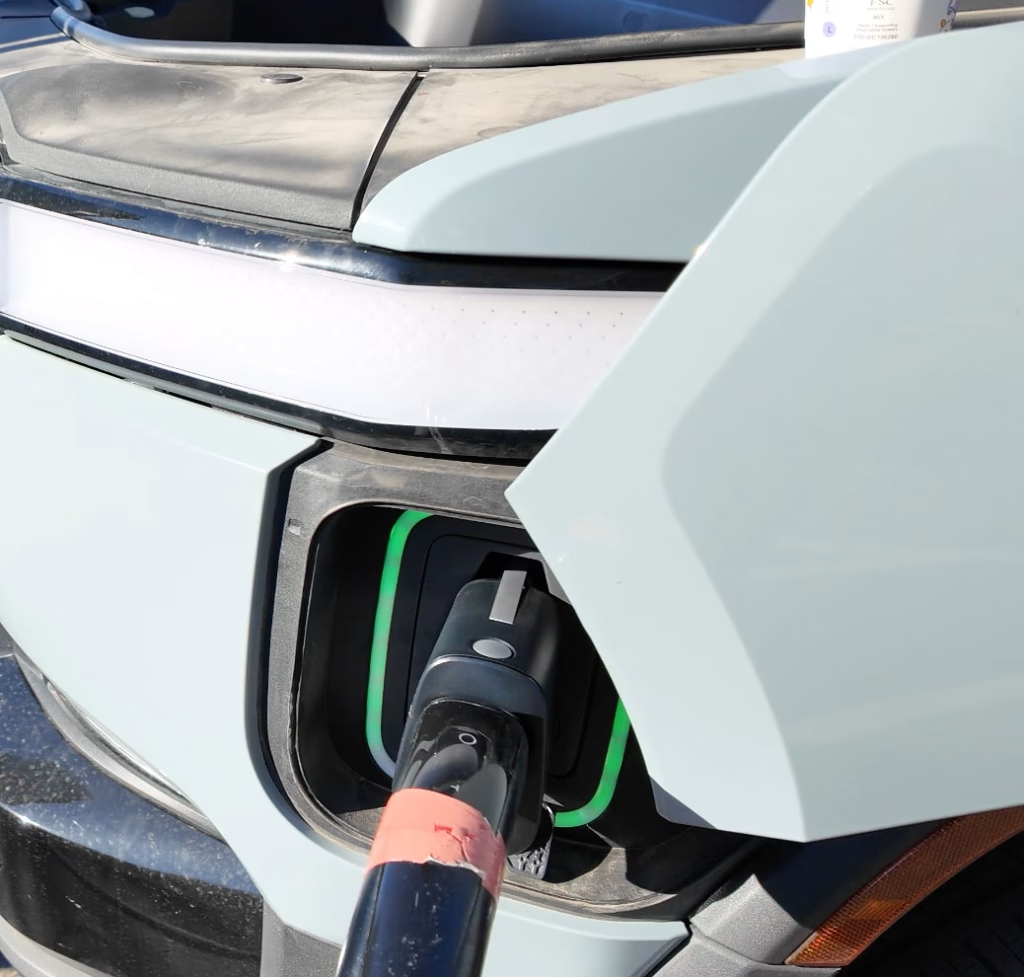
I took it to a Supercharger in La Verne to test it out. Here’s the technical breakdown of that session:
- Starting SoC: 20%
- Peak Speed: 215 kW (hit at around 37% SoC)
- Average Speed: 175 kW (held until about 46% SoC)
- Total Session: 33 minutes to add ~200 miles of range.
One thing to note: I pay for the $12.99/month Tesla subscription to get the same rates as Tesla owners. At 57 cents per kWh without it, the cost is just too high. I really wish Tesla would waive this fee for those of us who already own other Teslas!
A Note on the A2Z Typhoon Recall
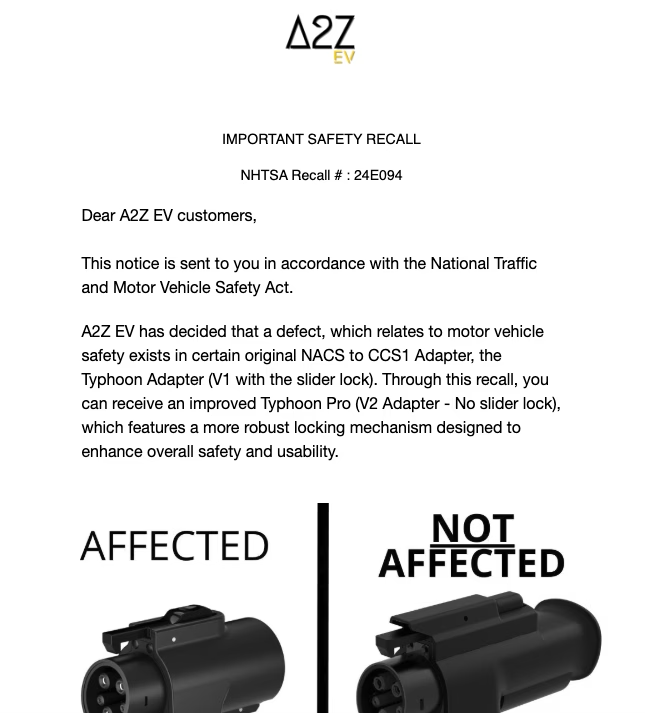
I’ve been using the A2Z Typhoon adapter while waiting for the official Rivian one. A2Z has issued a recall for the first-generation Typhoon adapters (the ones with two locking mechanisms) due to a locking issue.
- The Fix: If you have the older model, A2Z is providing free replacements with the Typhoon Pro, which uses a much better single-locking mechanism.
- My Advice: If you have the non-pro version, stop using it and get your replacement. Safety first when dealing with these high-voltage chargers!
The 12V Battery “Recall”
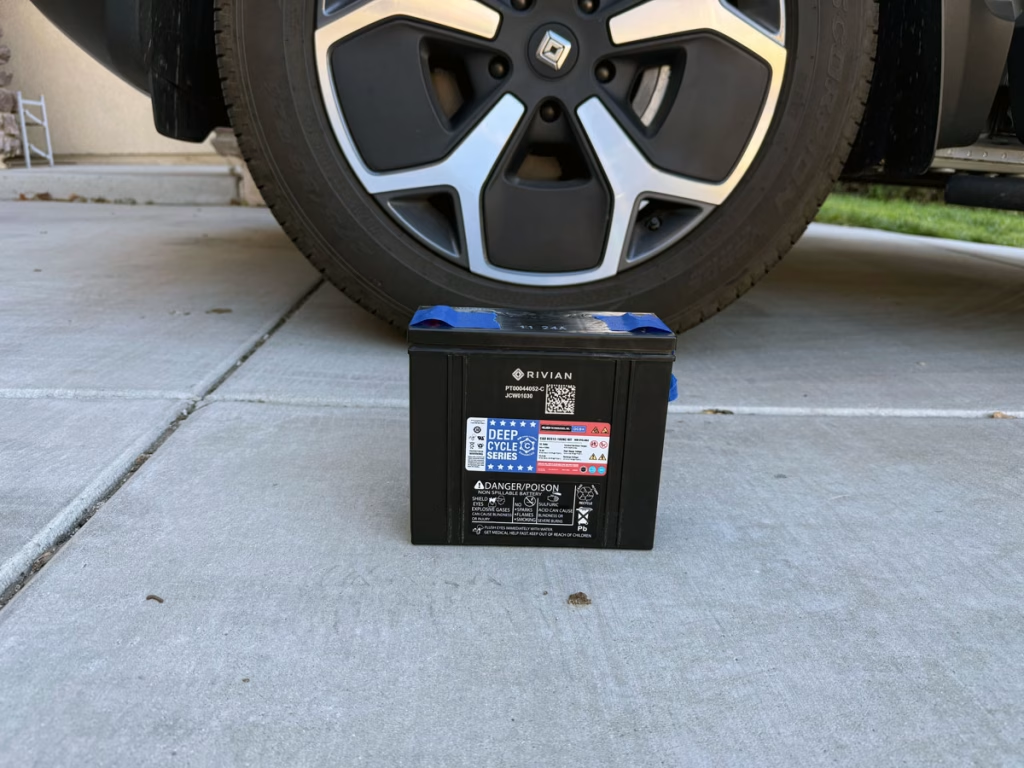
My R1T recently had its 12V battery replaced. It wasn’t an official Technical Service Bulletin (TSB) for everyone, but Rivian reached out because it impacted a specific range of 2023 VINs.
- The Experience: I never had an error code, but Rivian took a proactive approach. The tech replaced the battery (located under the front shroud) in my driveway. Earlier Rivian models actually had two 12V batteries, while the newer ones have been streamlined to one.
The Cost of Ownership: California Taxes and Fees
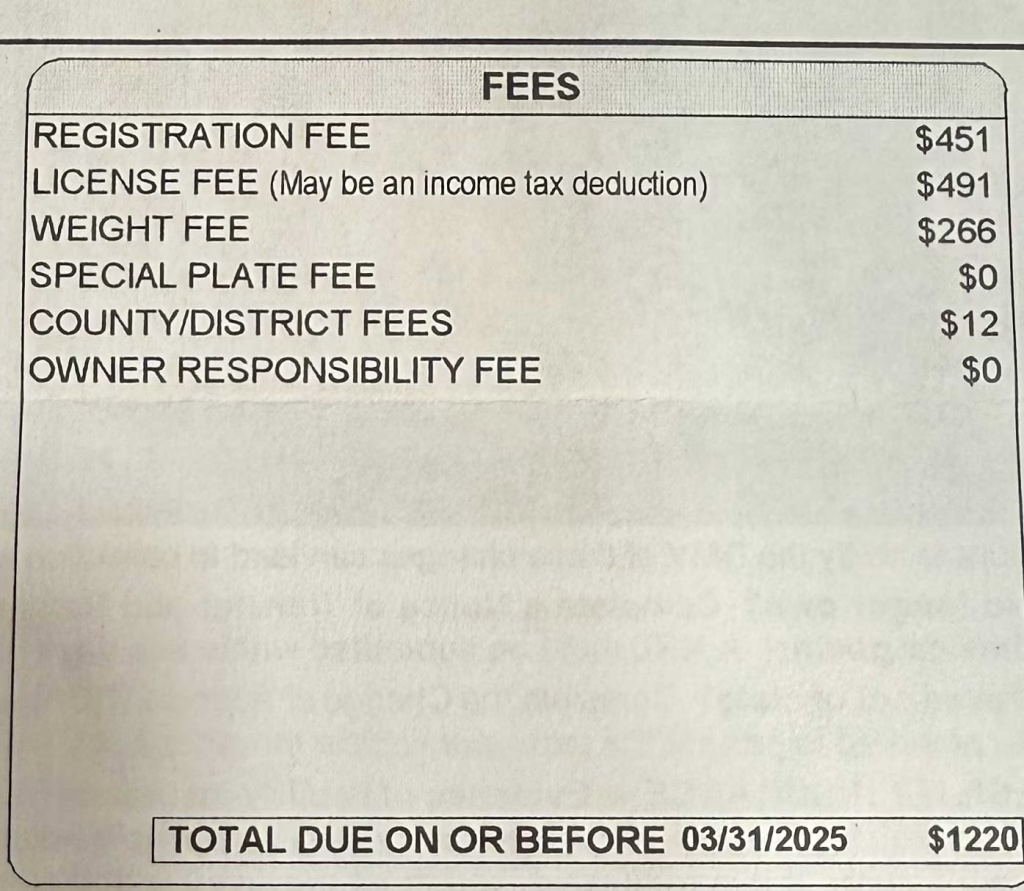
I just got my registration renewal for the R1T… $1,220 for one year. In California, these are classified as commercial trucks due to their weight, so be prepared for a heavy hit on your annual fees. I also finally received my HOV stickers, which allow me to drive in the carpool lanes solo—a massive benefit for my 120-mile daily commute.
Commute Comparison: R1T vs. Cybertruck
I took the R1T on my standard 120-mile work commute to see how it compares to the data I pulled for the Cybertruck last week.
Commute Efficiency Data
| Vehicle | Distance | Efficiency (Wh/mi) | Energy Used |
| Rivian R1T | 119.8 Miles | 337 Wh/mi | 40 kWh |
| Tesla Cybertruck | 146.0 Miles* | 342 Wh/mi | 50 kWh |
Note: The Cybertruck trip included extra errands, but the Wh/mi is the key metric here. The Rivian is actually slightly more efficient (2.96 mi/kWh vs. the Cybertruck’s 2.92 mi/kWh) on my specific route.
Final Thoughts
The R1T remains an incredibly reliable and capable truck. While I’m enjoying the “newness” of the Cybertruck, the Rivian’s build quality and off-road reliability (no major issues in 8,000+ miles) keep it as the king of my weekend adventures.
[…] noticed a distinct “click-click-click” sound coming from the driver’s side of the Rivian R1T after a Costco run. A quick visual inspection revealed the culprit—a giant screw embedded right […]
[…] is nothing quite like rolling out with over 20 other Rivians—a mix of R1T trucks and R1S SUVs, spanning both Gen 1 and Gen 2 hardware. From the technical nuances of charging […]