

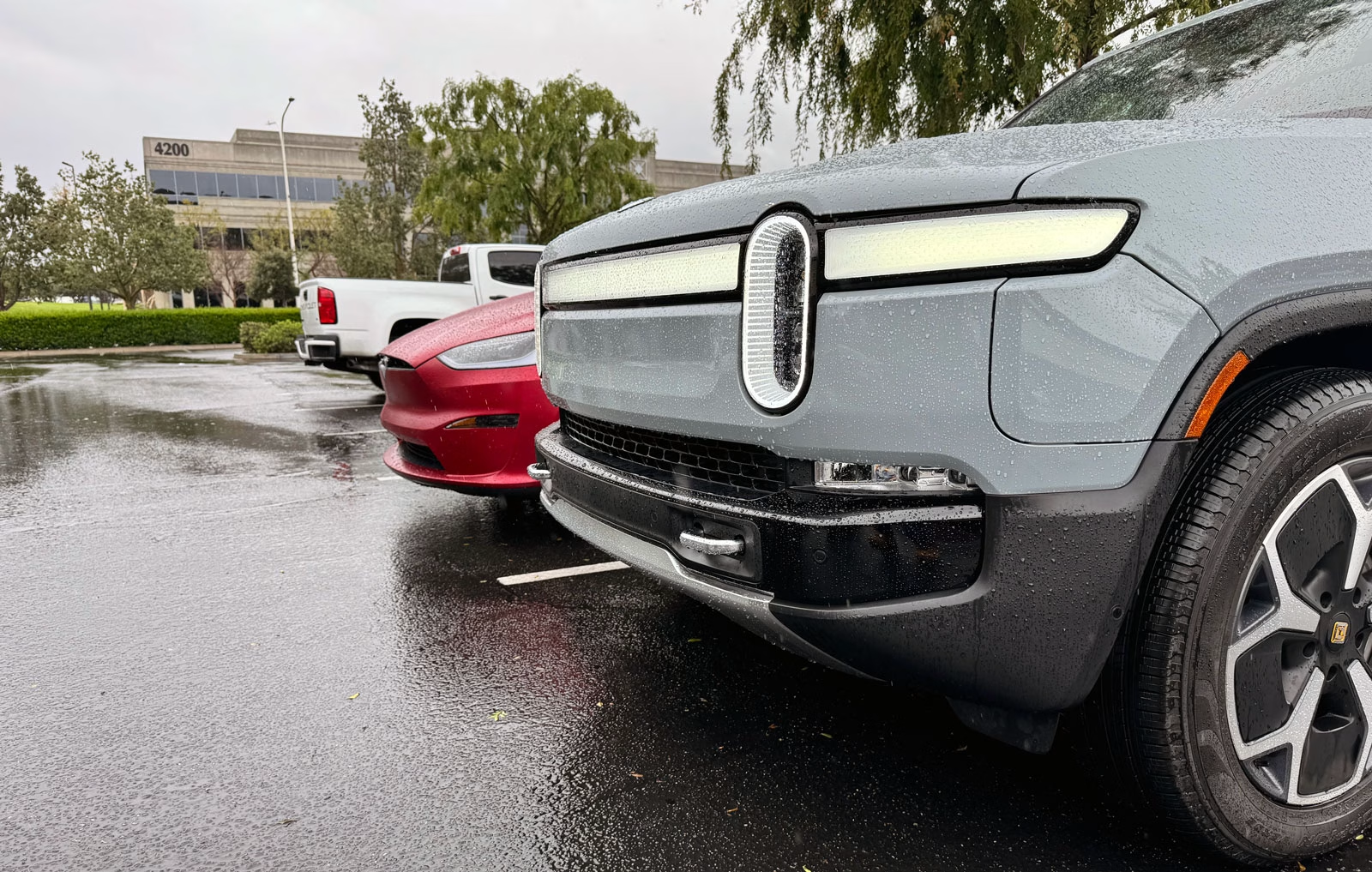
It’s Easter Sunday, and we’re taking the brand-new Rivian R1T on its first official road trip to Las Vegas. I’m calling this the “Rivan Adventure Network Test” because I want to see how the non-Tesla infrastructure handles a busy holiday weekend.
The Pre-Trip: Gear and Range
We started the journey with 246 miles (68% state of charge). I’m still waiting for my Tesla-to-Rivian NACS adapter, so home charging is currently limited to a slow 110V outlet—which, honestly, doesn’t do much for a battery this big.
I tried to fit my r450 Ace scooter into the gear tunnel, but the handlebars don’t fold, so it didn’t fit. Without a tonneau cover yet, I didn’t want to leave it unsecured in the bed, so the scooter stayed home.
Tech Deep Dive: Driver Plus vs. Tesla Autopilot
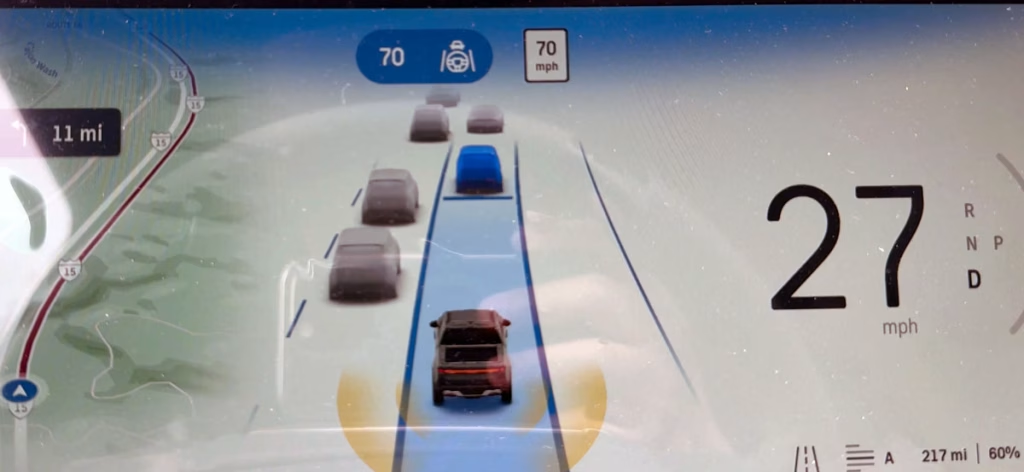
I spent a lot of time testing Driver Plus, Rivian’s version of autopilot. Here are my technical takeaways:
- Braking and Smoothing: Driver Plus actually feels smoother when slowing down than my experience with Tesla Autopilot (pre-v12.3).
- Lane Changes: This is a huge win—when you use your turn signal, Driver Plus disengages the steering but keeps cruise control active. Once you finish the lane change, it re-engages. On a basic Tesla Autopilot, you have to manually re-engage every time, unless you paid $6,000 for Enhanced Autopilot.
- Limitations: It only works on pre-mapped highways. If the data isn’t there, it beeps and hands control back to you immediately.
Charging Logistics: The Rivian Adventure Network (RAN)
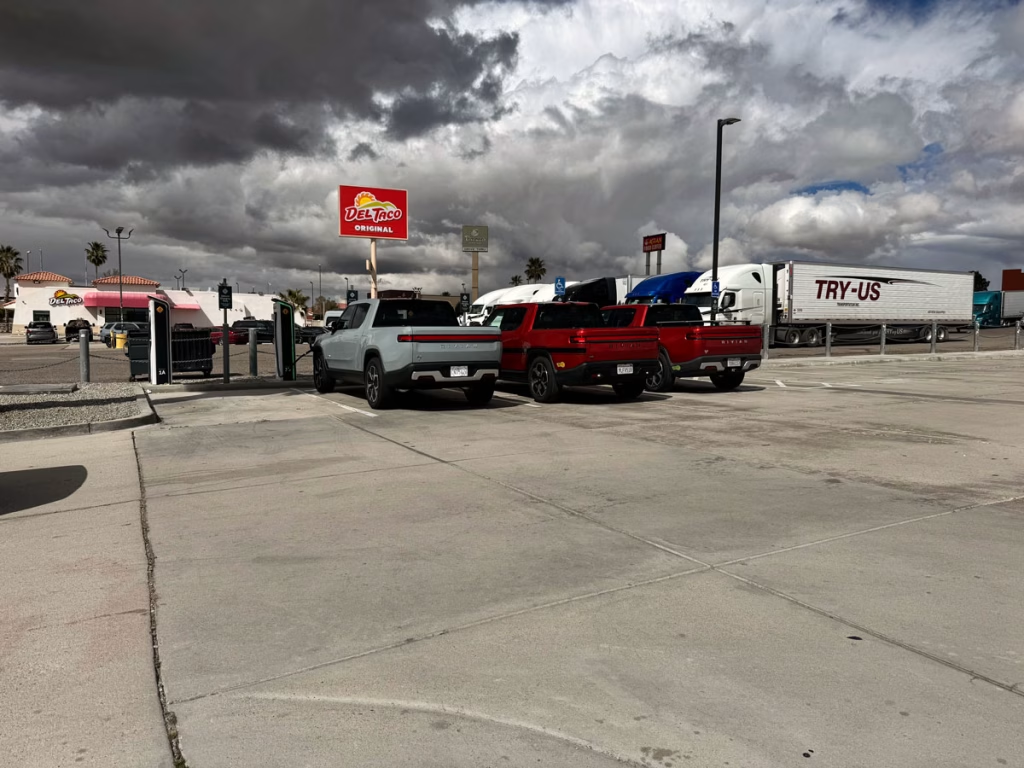
We stopped at the Barstow RAN station. There are six stalls, including a dedicated pull-through stall for trailers.
- Charging Curve: We arrived at 44% SoC and peaked at 213 kW (R1T max is 220 kW).
- Higher SoC Speeds: Even at 72% SoC, it was pulling 87 kW. At 80%, it dropped to 50 kW—very similar to a Tesla charging curve, though it seems to hold higher speeds slightly longer.
- Cost: 36 cents per kilowatt-hour.
Gear Guard vs. Tesla Sentry Mode
We stayed at Mandalay Bay on the 57th floor. I parked with 48% SoC and left Gear Guard (Rivian’s security camera system) active for 12 hours.
- The Result: Gear Guard recorded 24 events and only used 1% of the battery. In Las Vegas, my Tesla usually drains 3–4% overnight with Sentry Mode. This is a massive efficiency win for Rivian’s hardware.
Final Thoughts: Which One for the Road?
If it’s just Abby and me, I’m taking the Rivian. The Gear Guard efficiency and the adventure-ready feel are hard to beat. However, the Model X is still the king of comfort, speed, and interior space. One thing’s for sure: the Model Y is out of the road trip rotation because it lacks ventilated seats!
Watch the full R1T Vegas debut here
Leave a Reply